July 31, 2026
Synthetic slate roofing Hinsdale
A roof must do much more than improve the appearance of a home. It serves as the primary barrier against rain, snow, wind, hail, sunlight, and rapidly changing temperatures. For homeowners living in areas where severe weather is common, choosing a material that can withstand demanding conditions is essential. Synthetic slate roofing Hinsdale has become a popular option because it combines the refined appearance of natural slate with modern performance features designed for challenging climates.
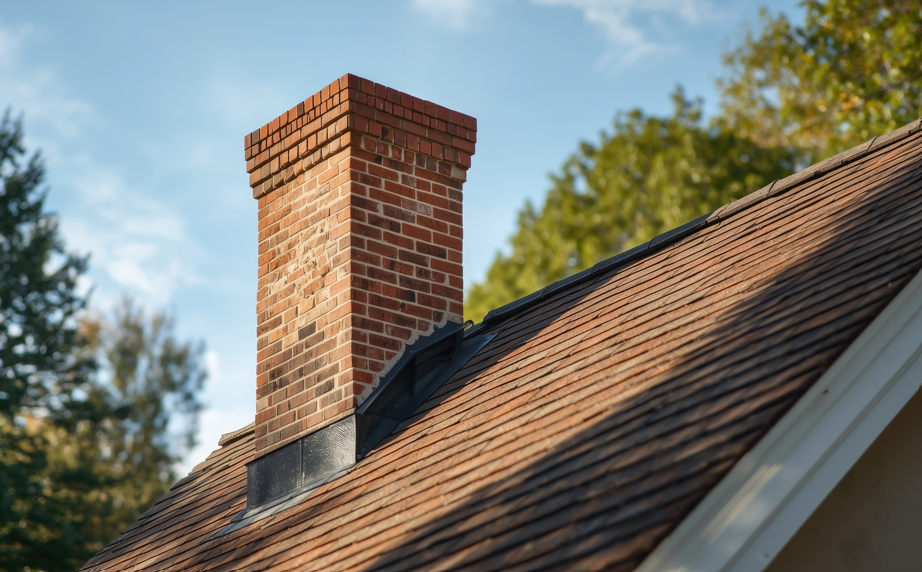
One of the strongest advantages of synthetic slate is its resistance to moisture. Heavy rain can expose weaknesses in an aging or poorly installed roof, especially around valleys, chimneys, skylights, vents, and roof-to-wall connections. Synthetic slate tiles are designed to shed water effectively when they are installed with the correct overlap, underlayment, flashing, and fastening system. Because the material does not absorb moisture in the same way as some natural products, it is less vulnerable to water-related cracking or deterioration.
However, the visible tiles are only one part of a complete roofing system. Even high-quality synthetic slate roofing can develop leaks when the roof deck, underlayment, flashing, or drainage details are installed incorrectly. Professional installation is therefore just as important as the quality of the material itself.
Strong winds are another major concern for homeowners. During severe storms, wind can lift roofing materials that are not properly secured. Many synthetic slate products are manufactured and tested to resist significant wind pressure, but actual performance depends on the selected product, fastening method, roof design, and quality of installation. Contractors must follow the manufacturer’s fastening pattern and local building requirements rather than relying on installation methods used for standard asphalt shingles.
Hail resistance is another reason homeowners consider synthetic materials. Natural slate is durable, but individual pieces can crack when struck by large hailstones, branches, or other debris. Many types of synthetic slate roofing are made from flexible composite or polymer materials that can absorb impacts more effectively. This does not mean the roof is completely damage-proof. Extremely large hail or falling tree limbs can still cause problems, but a properly selected synthetic slate product may provide better impact resistance than more brittle materials.
Cold weather can be particularly demanding on a roof. Freezing temperatures, snow accumulation, and repeated freeze-thaw cycles can cause roofing materials to expand, contract, or become damaged. Synthetic slate is generally lighter than natural slate, reducing the permanent load placed on the roof structure. The roof must still be designed to support local snow loads, and snow buildup should be evaluated when unusual accumulation occurs.
Ice dams can affect almost any sloped roofing system, including synthetic slate roofing. They form when heat escaping through the attic melts snow on the upper part of the roof. Water then travels toward the colder edge, freezes, and creates a barrier that can force moisture beneath the roofing material. Proper attic insulation, air sealing, ventilation, and ice-and-water protection near the eaves are essential for reducing this risk.
Hot climates create a different set of challenges. Intense sunlight and high temperatures can cause some roofing products to fade, warp, or become brittle over time. Quality synthetic slate products are designed to resist ultraviolet exposure and temperature-related movement, although performance can vary between manufacturers. Homeowners should review product specifications, available testing information, warranty terms, and color-retention details before choosing a system.
Rapid temperature fluctuations also matter. Roofing materials naturally expand and contract as temperatures change. Installers must leave the correct spacing and place fasteners in the proper locations so the tiles can respond to movement without buckling or cracking. Ignoring these requirements is a common installation error that can shorten the life of synthetic slate roofing.
Fire resistance may also be important in dry regions or communities exposed to wildfire risk. Fire ratings vary by product and by the complete roof assembly, so homeowners should not assume that every synthetic slate material provides the same protection. The product, underlayment, roof deck, and installation method must work together to satisfy local fire-safety requirements.
After a major storm, homeowners should visually inspect the property from the ground and arrange a professional inspection when they notice missing tiles, displaced flashing, damaged gutters, fallen branches, or signs of water inside the home. Walking on the roof without proper training can damage materials and create a serious safety risk.
Overall, synthetic slate roofing can perform well in rain, snow, wind, hail, heat, and fluctuating temperatures when the right product is chosen and installed correctly. Its lighter weight, impact resistance, moisture performance, and dimensional stability make it suitable for many demanding climates. Nevertheless, no roofing material can compensate for poor installation. Careful product selection, professional workmanship, proper ventilation, effective flashing, and routine inspections remain essential for dependable long-term weather protection.